















Bridging Loans and Finance

Speak to an Expert Advisor

or

Book an Appointment with Us

Why Choose Ascot Mortgages

0 %
5-star reviews on Google
£ 0
total donated to various charities
0
years we have been as independent mortgage and protection brokers
0 %
customer satisfaction for finding the best deals on the UK market

What is a bridging loan?

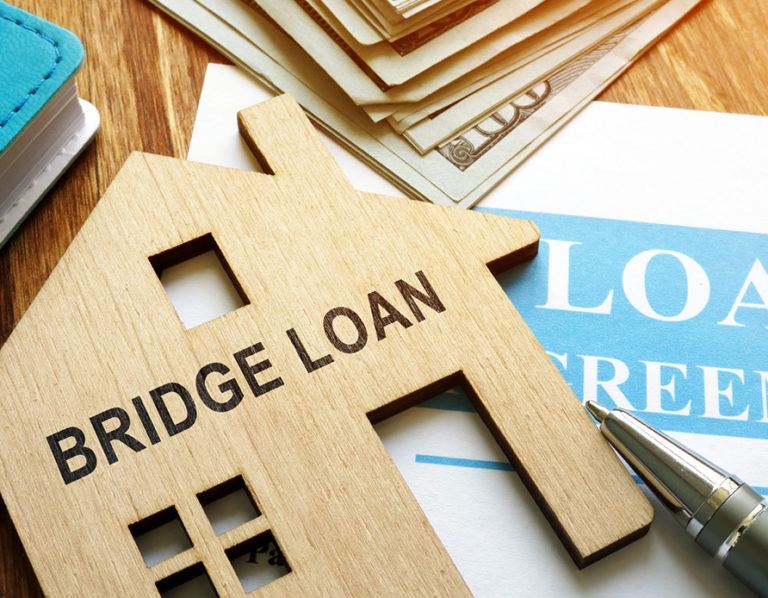
A bridging loan is a short-term financial solution designed to cover immediate funding needs while awaiting long-term financing or the sale of an asset. Typically used for periods ranging from a few weeks to 24 months, these loans are tailored for quick access to funds, often within days. 

Bridging loans are popular among property investors, homebuyers, and developers who need to secure opportunities or resolve cash flow issues quickly. They are commonly used for downsizing in retirement, buying properties at auction, the purchase and renovation of properties for ‘flipping’, and prevention of a breakdown of a property chain breakdown.

At a glance, the main advantages of a bridging loan are:

  • Short-term nature: ideal for temporary financing gaps
  • Flexible interest payment options: choose between monthly interest payments, rolled-up (paid at the end), or retained interest (included in the loan amount), meaning you don’t have to worry about monthly payments
  • Speed: bridging loans can be arranged relatively quickly, in as little as 72 hours in some circumstances – a broker will be needed to facilitate a loan this quickly.

What are the different types of bridging loans?

There are two different types of bridging loans. These are open bridging loans and closed bridging loans.

An open bridging loan has no specific date by which it must be repaid. However, the majority of lenders would expect you to pay off this loan within 12 months. Some lenders may offer an extended repayment period.

On the other hand, a closed bridging loan means you will have a fixed date by which you need to repay your loan. In most cases, this date will be determined by when you know you will have the funds available to pay it back, such as when the sale of your house has successfully gone through.

Generally speaking, a closed bridge loan is often cheaper than an open bridge loan because there is less flexibility in terms of repayment. 


What Our Clients Say About Us

How does a bridging loan work?

If you decide to take out a bridging loan, your lender will place a ‘charge’ against your property. If you fail to repay your bridging loan, this means that the lender can take the repayment from the property sale.

If you do not have any other loans tied up in your property, this is considered to be a first charge bridging loan. This may be the case if you own the property outright. Should you be unable to repay the loan, and the property is then sold to cover the debt, the bridging loan lender will then receive the repayment first.

If you have one or multiple loans against your property, like a mortgage, this is considered to be a second charge bridging loan. This means that if you fail to repay your bridging loan and the property is sold to cover the debt, the mortgage provider will be repaid first and the bridging loan lender will receive its repayment afterward.

Who benefits from a bridging loan?

Bridging loans are suitable for individuals or businesses in various situations and can mean the difference in not losing out on your dream home or investment opportunity. It allows you to act and move quickly in the property market and decrease the risk of losing out to cash buyers. Typical scenarios when bridging finance is used:

  • Securing property purchases at auction: access funds promptly to secure auction deals
  • Preventing chain breaks: keep property chains intact when unexpected delays arise
  • Funding renovations or developments: finance refurbishment or development projects before refinancing or selling
  • Purchasing un-mortgageable properties: acquire properties that require a significant amount of work to bring them up to a standard for refinance using a standard mortgage.

How much can I borrow?

While we generally deal with bridging loans up to £25m, there are lenders willing to lend up to £100m, with the loan-to-value ratio typically capped at 80% of the properties value being used as security. Each lender has its own policy and criteria in relation to maximum loans and loan to values so it’s vital to seek professional advice. An experienced adviser can assess your individual circumstances and present the best available options.

What are the pros and cons of a bridging loan?

There are many factors to take into account when it comes to deciding if a bridging loan is right for you.

Pros

  • Borrow more money – since bridging loans are secured against a property, this means you should be able to borrow a large amount of money
  • Quick payouts – unlike a mortgage, bridging loans can be paid out within a matter of days
  • Choice and flexibility – you will find that choosing a bridge loan provides you with a range of flexible options, such as fixed and variable interest rates, and different loan types, including open and closed loans.

Cons

  • Fees – there are usually several fees, including arrangement fees, valuation fees, legal fees and exit fees 
  • Higher interest rates – you can expect to pay a higher interest rate compared to other types of loan
  • The risk of repossession – since a bridging loan is usually secured against your property, there is a risk of your home being repossessed if you are unable to keep up with your repayments or fail to repay the loan within the agreed term.

How Do I Apply for a Bridging Loan?

Each lender has its own set of lending criteria a borrower must meet to be considered for a loan. Some lenders focus on the lower value and lower risk type lending while there are others that specialise in niche areas of the market. There are two main elements to consider before applying:

  • Security – The lender will require a form of security. This can be one or more properties.
  • Exit/repayment strategy – A well-planned exit or repayment strategy is essential. In most cases, this involves either selling the property or refinancing with a traditional mortgage.

With the right help, the process of applying for a bridging loan can be straightforward. It typically involves the steps outlined below:

Step 1: Consult a Bridging Finance Expert

Before applying for a bridging loan, it’s a good idea to consult an expert. Here at Ascot Mortgages, we can give you advice that’s tailored to your unique circumstances. This can be done by phone or in person.

During this initial consultation, we’ll discuss:

  • what you need the bridging loan for
  • how much you want to borrow 
  • how you plan to repay the loan (your exit strategy).

We will assess your situation and recommend suitable lenders based on your circumstances and goals. 

Step 2: Get an Agreement in Principle

After the bridging loan broker has a clear understanding of what you want the bridging loan for, and is confident that you have a realistic plan to repay the loan, the advisor will approach lenders they believe are likely to approve your loan application.

If successful, your Agreement in Principle should be accepted within 24 hours or less. The initial offer will be conditional depending on a valuation of the property used as security and the legal work that needs to be done. The lender will also look into your financial situation. The borrower will need to provide a number of documents that need to be checked before a formal offer is provided by the lender.

Step 3: Submit your Formal Application and Supporting Documents

Next, you’ll need to complete a formal application form and provide supporting documents, such as:

  • Proof of identity
  • Proof of income
  • Bank statements
  • Details of property being used as security
  • Your exit strategy
  • Financial accounts (for businesses)

Step 3: The property valuation

The property used as security for the loan must be valued to make sure that it will cover the loan. This is normally conducted by a professional valuer, who will write a report about the condition of the property and its value. If the property has had a recent survey, the lender may accept this instead of appointing a valuer. The borrower normally pays a fee for the valuation.

If you are an individual applicant, the property used as security should be your main residence. Landlords can use other rented property they own as security, and a business can use its work premises as security if it owns the building. Some lenders will consider other company assets as security, such as stock, the value of invoices due to be paid, or equity in the company.

Step 4: The Formal Offer and the Start of the Legal Work

After all the documents have been checked and the valuation completed, a formal offer letter will be sent. The offer letter usually comes with a legal pack sent to your solicitor to action. Most lenders will allow you to appoint your own solicitor, but some may have a specified panel of solicitors to choose from. If you choose your own solicitor, make sure it is one who understands bridging loans and the short timelines required for the legal work.

Step 5: Loan Complete and Funds Release

After the formal letter has been received and all legal work has been completed, the loan money will be released. This is usually transferred to the borrower’s solicitor, who will transfer the money to complete the property purchase. If a company is using the loan for short-term cash purposes, it will be put into the company’s bank account.


How Long Does the Application Process Take?

One advantage of bridging loans is that they can be arranged quickly. Traditional mortgages take about eight to twelve weeks to arrange. Depending on the complexity of the bridging loan, the time between starting the application process and having funds available can be a matter of days. However, it can take longer, depending on the lender and your specific circumstances. 

It is possible for an application to be treated as a priority. Provided that all the documents to support the application are ready, and the solicitor can work quickly, a priority application can be completed within 48 hours.

Bridging loans can be applied and set up for private individuals, Limited Companies, Partnerships and Offshore Companies. If you have any questions about your eligibility or feel your circumstances are complex, you can speak to one of our advisers. 

What fees will I pay?

You can expect to pay various set-up fees when you take out a bridging loan. These include:

Arrangement fees – this cost can include lender arrangement fees, which are usually a percentage of the loan amount

Valuation fees – to be approved for a bridging loan, it’s likely you’ll need a valuation on the property

Legal fees – you will need legal representation, as will your lender, to cover the cost of drawing up legal documents

Exit fees – your lender may charge an exit fee when the loan comes to an end.


How do I find the best bridging loan deal?

It’s important that you find the right bridging loan at the right rate. Keep the following points in mind when you’re looking to take out this type of loan.

Understand what you need

To find the best bridging loan deal for you, you will need to be clear on what it is that you need from your loan in terms of how much you would like to borrow and for how long. It’s important to note that bridging loans are expensive, so the longer the term, the more it will cost you.

Be clear about your circumstances

It’s also a good idea to fully understand your situation. This means knowing:

  • how much your property is worth 
  • the details of your mortgage if you have one, including how much you owe
  • how much equity you have in the property
  • what your monthly income and expenditure is
  • how you plan to exit the bridging finance.

Do your research

To ensure you take out a bridging loan that ticks all the right boxes, it’s important to do your research first. There are lots of loan types available, so it can be useful to compare your different borrowing options.

You might find it helpful to consider the following when it comes to choosing your bridging loan:

  • Interest rates: often quoted monthly, bridging loan rates depend on the loan-to-value (LTV) ratio, security, and the lender’s risk assessment
  • Costs and fees: there will be fees to consider such as a valuation fee, legal fees, a broker fee, an arrangement fee and potentially an exit fee
  • Flexible terms: some lenders offer drawdown options, allowing you to access funds in stages, reducing interest costs. 

How Ascot Mortgages can help

At Ascot Mortgages, our experts arrange and secure bridging finance every day. We have arranged finance for everything from small refurbishments to quick refurbishments to multi-million-pound developments. We can meet tight deadlines or find finance for complex situations.

Whatever your situation, contact us today. Call our team on 01925 711558 or book an appointment to speak to one of our professional advisers at a time that suits you.

Apply for a Bridging Loan

Get things moving, apply for a bridging loan.

Call Now - 01925 711 558

Free unbiased bridging loan advice is just a phone call away.

FAQ

Bridging loans typically range from £25,000 to £25 million. The amount you can borrow will be determined by your specific requirements, the value of the property being used as security, your credit history and your current financial situation.

In most cases, the lender will allow you to borrow up to 75% of the property value, but this will depend on your personal finances. 

Rates vary based on the property type, exit strategy, loan to value, and lender. Rates are typically between 0.5% and 2% per month.

Bridging loan interest rates can either be fixed or variable. Fixed interest rates mean that you will know exactly how much you will be charged, and your monthly repayments are guaranteed to remain the same for the duration of the loan. Meanwhile, a bridging loan with a variable interest rate means the amount you pay can change. 

Most lenders require equity in the form of property as security, but specific deposit requirements depend on the lender.

Bridging loans typically last between 1 and 18 months, with flexible repayment terms.

Yes! Bridging finance often focuses on the value of the security property rather than your credit score. However, it is important to note that you will be considered ‘higher risk’, so therefore the cost of your loan will likely be higher too. 

It’s a good idea to check your personal credit score before you apply for a bridging loan. This will enable you to get an idea of what your current credit history looks like.

A bridging loan can take anywhere from a few days to several weeks to complete. This is due to the fact that it is a secured loan which, if you’re using a property as collateral, will require a valuation and credit checks. 

A bridging loan could be the right decision for you if you need a short-term loan for a large sum of money that you will be able to repay quickly. To be eligible for a bridging loan, you will need to be aged 18 or over, a UK resident and have a valuable asset to use as collateral, such as a property. Whether a bridging loan is right for you or not will also depend on your personal financial situation and your borrowing requirements. 

Contact Us

*Privacy Notice - Any information provided will be treated with confidentiality and will only be accessible within Ascot Mortgages